
Nira Living / Brand & Communication / Concept
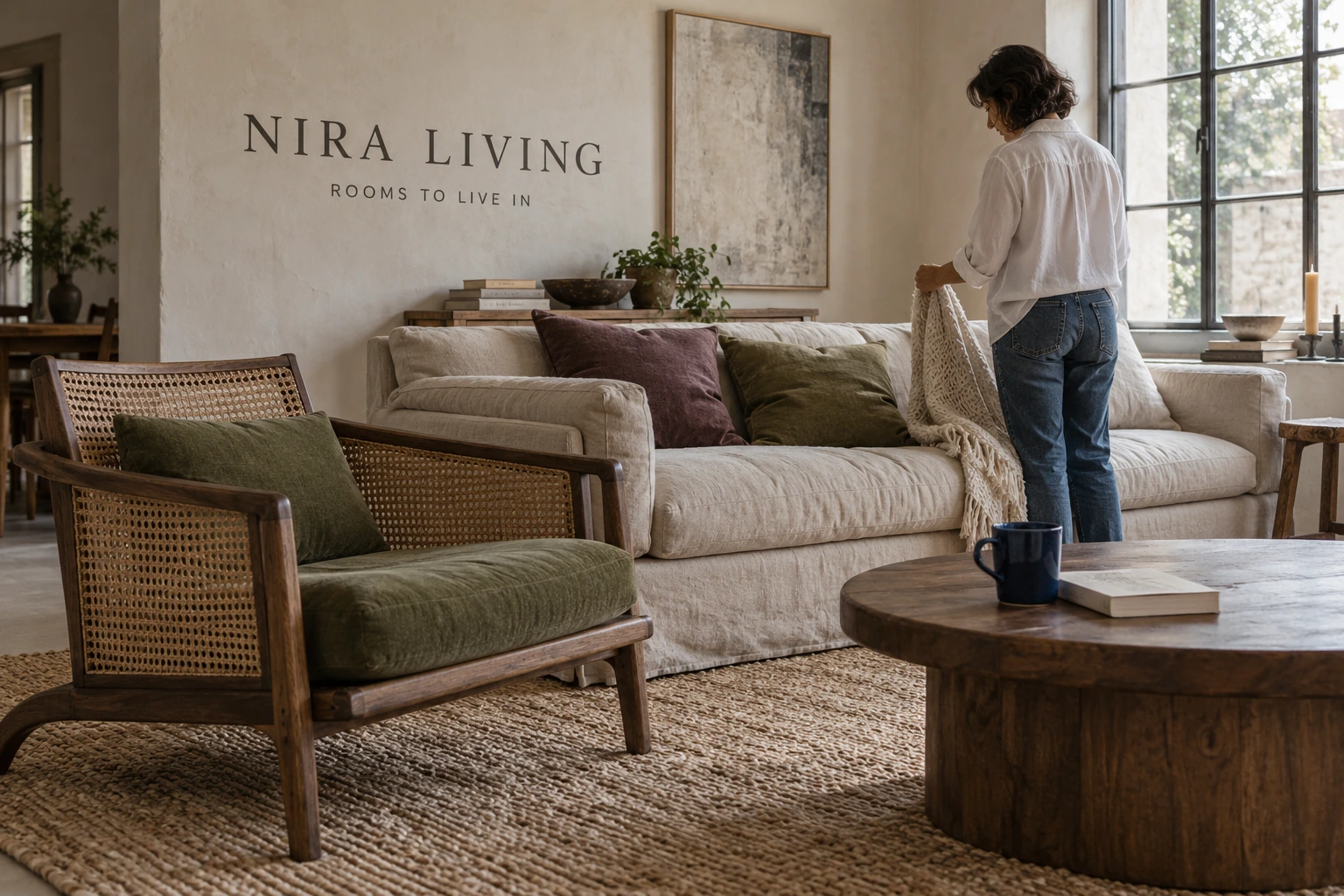
A furniture brand that looks like the rooms it furnishes
A boho furniture retailer replaces catalog photography with a brand and a content system built around whole rooms.
01
The problem
Nira sold pieces people fall for on sight and photographed them like warehouse stock: white background, front angle, dimensions underneath. The showroom was warm and layered and the feed read like a price list, so customers arrived unsure whether the shop was the one they had seen online. The brand's best asset was the one place none of its marketing came from.

02
The opportunity
This category is not bought on specification. A boho interior is chosen by feel (texture, light, the way a room settles together) and that is exactly what a photograph carries and a spec sheet cannot. The showroom was already doing the persuading in person; nothing of it reached anyone who had not walked in.

03
The system
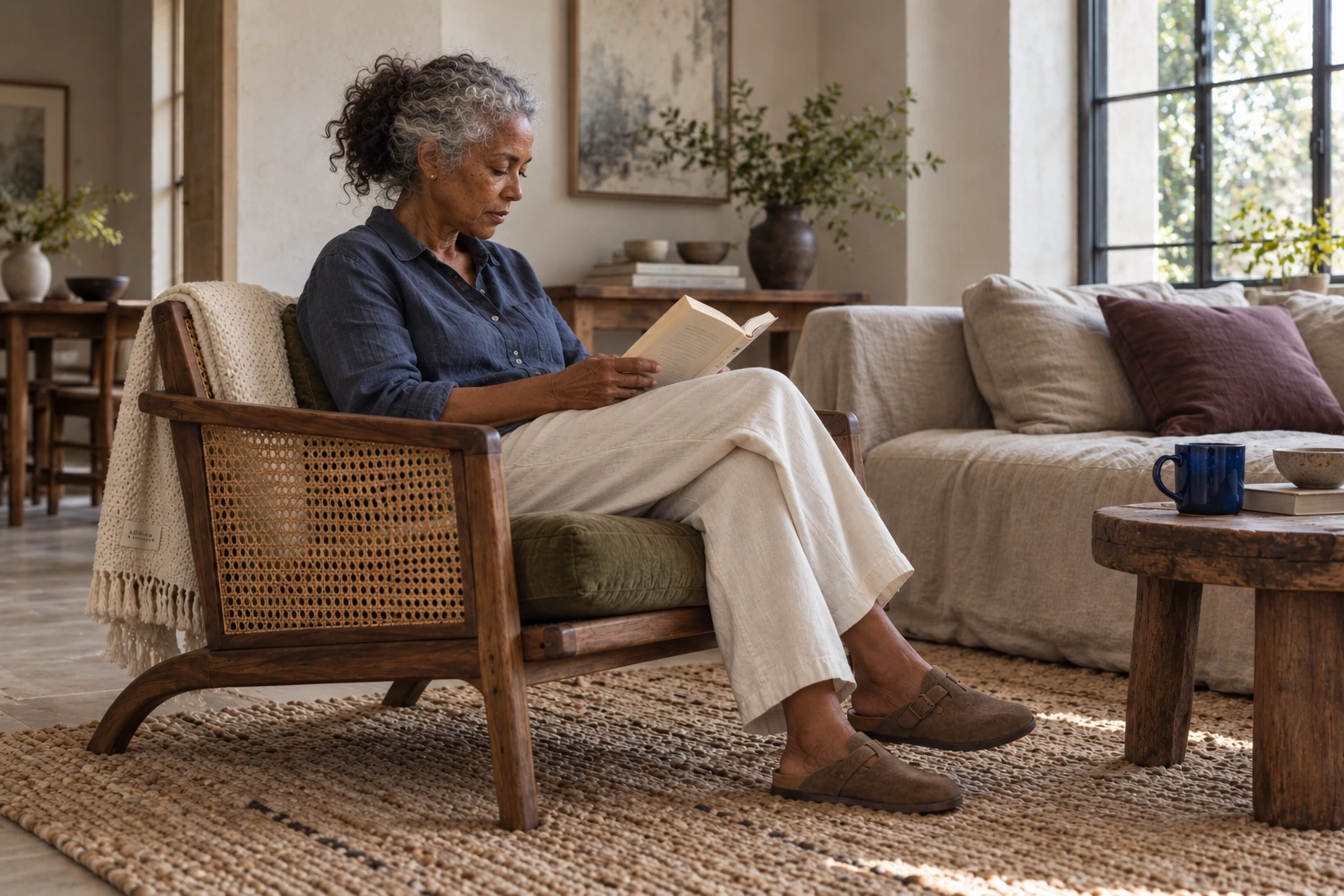
An identity taken from the materials themselves: natural texture, warm neutrals, typography with room to breathe, applied across labels, tags, packaging, the showroom and the feed. A photographic standard built on rooms rather than products, four owned formats (the room, the detail, the maker and the customer's own home) and a seasonal content plan that follows what is actually in stock instead of what is in season somewhere else.

04
The work
Brand identity and applications, showroom and labeling design, a room-based photographic standard, a template kit for stories and product posts, and monthly social media management.
The identity in everyday communication
The room, the detail, the maker, the everyday.


Want to know where your marketing stands? Start with a free audit or write to us.
What the concept tests
The hypothesis: selling the room beats selling the piece, and costs less. One styled setting can produce a season of posts, where one product per frame produces one post each.